Single Stream VS Dual Stream Recycling




Learn more about the difference between single stream and dual stream recycling. … Read More

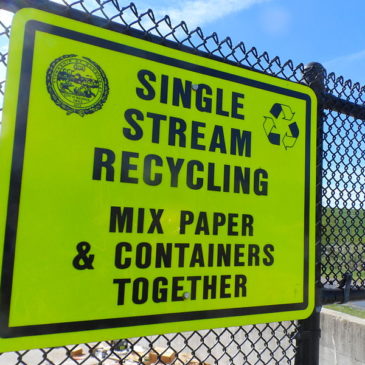
Learn more about the difference between single stream and dual stream recycling. … Read More
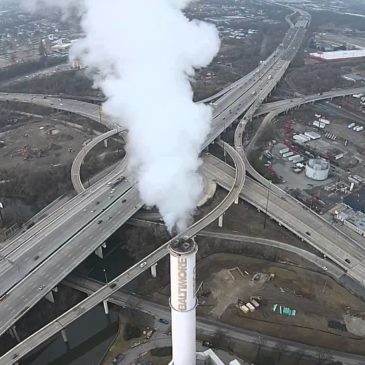
On February 11th, the Baltimore City Council passed the Clean Air Act by a vote of 14-0. The Act sets a precedent and has major national importance. … Read More
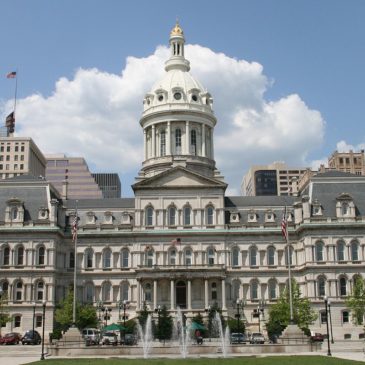
On January 30th, the Land Use & Transportation Committee of the Baltimore City Council voted 7-0 on the Clean Air Act Bill that would close the Wheelabrator garbage incinerator in downtown Baltimore, and have wide implications for solid waste management policies and programs in the city.… Read More

There is an old saying from California’s early recycling movement in the 1970s: “The hardest thing to do in recycling is to decide to recycle. After that, common sense and entrepreneurialism takes over.”… Read More
A round-up of exciting recycling initiatives in the U.S.… Read More
Recycling has long been known to be the enemy to waste management companies as it diverts materials that could be going to landfills, threatening profits and political influence. It makes sense. Landfilling waste is highly profitable, while recycling materials is marginally profitable and can also lose money. Flat recycling rates allow for companies to require more for processing recyclables while more waste flows to landfills. Profits from hauling and landfill operations supports high stock prices for consolidated national monopolies, which in turn allow them to use stocks to further consolidate hauling, landfilling, and most recently recycling processing capacity at centralized plants, or Materials Processing Facilities (MRFs).… Read More
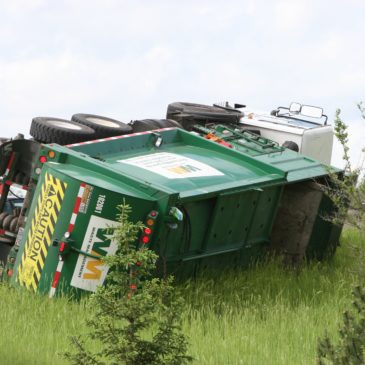
Big Waste dominates every aspect of solid waste and recycling practice and policy. The top four consolidated companies earn $30 billion of the $70 billion economic sector. Big Waste companies own or control 75% of the permitted landfill capacity in major metropolitan areas, and control an estimated 50% of the national hauling market, with increased levels of domination in regional markets.… Read More

A new program allows commuters in Surabaya, Indonesia to pay public transit fares by dropping off recycled plastic at designated centers in the city.… Read More
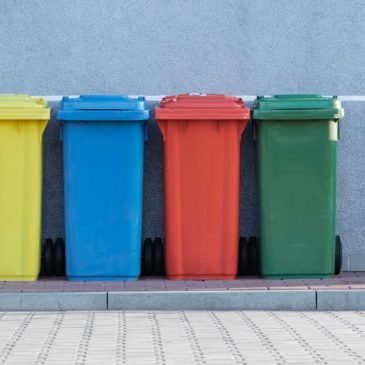
Centre County, Penn., a rural county of 26,000 people and 1,000 businesses, will not switch to single-stream recycling based on a yearlong research report by MSW Consultants that looked into the benefits and drawbacks of switching.… Read More


