Webinar Resources: Successful Rat Prevention for Community-Scaled Composting

This webinar covered rat biology and behavior, and explored compost best management practices (BMPs) that help projects avoid rats.… Read More

Old site category
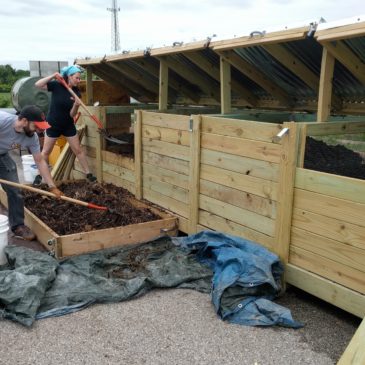
This webinar covered rat biology and behavior, and explored compost best management practices (BMPs) that help projects avoid rats.… Read More

New York City is focusing on reuse as part of its efforts to increase diversion from incineration and landfill. Reuse is the most labor intensive of all recycling activities. It adds value to products that can be reused and/or repaired and then sold as products not materials. Added value allows for good green jobs throughout the … Read More
On Monday, May 22nd, 2017, the Frederick Compost Workgroup hosted the Frederick Compost Summit at Fox Haven Educational Farm. ILSR’s Composting for Community project co-sponsored the summit along with Frederick Zero Waste Alliance, Fox Haven Farm, and others. ILSR staff made opening remarks, presented composting options for the county (including our new hierarchy to reduce food … Read More

Strewn in streets and alleys. Dumped in a landfill. Burned in an incinerator and, ultimately, inhaled by residents.
About 20% of Baltimore’s residential trash is recycled. That’s extremely low compared to the 35% national average for cities. Some jurisdictions have achieved 50% and 60%. West Coast cities including Portland, San Francisco and Los Angeles have reached even higher levels.
In Charm City, what doesn’t get recycled ends up in some not-too-charming places, including the aging Wheelabrator Baltimore waste-to-energy incinerator, locally known as BRESCO.
But a decision point is looming: the city’s contract to send trash to BRESCO is set to expire in four years. Continuing to use the incinerator means expanding the Quarantine Road Landfill, which is approaching capacity and accepts the incinerator’s ash, as well as residents’ solid waste.… Read More
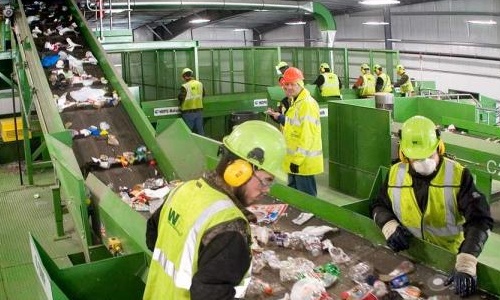
There is not much information about private sector recycling in US cities. Recycling studies and statistics typically focus on household recycling while the commercial recycling levels are mostly educated guesses. The US EPA estimates that 35% of commercial and household municipal waste is recycled. Cities in the last decade have adopted single stream recycling at the … Read More
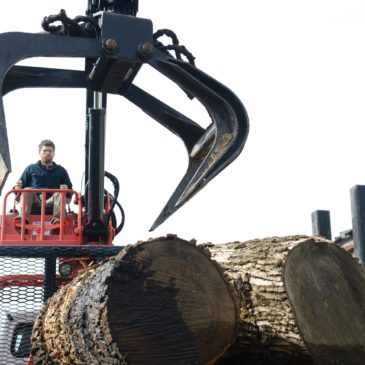
Since 2016, Shaun Preston, a native of Anne Arundel County, has been operating a unique city-owned wood enterprise at Camp Small in north Baltimore. The enterprise, the result of collaboration between the Department of Recreation and Parks’ Division of Forestry and the Baltimore Office of Sustainability, is designed to reduce city expenses managing wood waste, and … Read More

After mass citizen protests in China’s Qingyuan City, Guangdong Province, government officials vowed on Wednesday to cancel plans for a waste incinerator plant. Here’s the story, reproduced from Radio Free Asia: Guangdong Protesters Hail Victory As Government Backs Down on Incinerator Plan Authorities in the southern Chinese province of Guangdong vowed on Wednesday to cancel plans … Read More
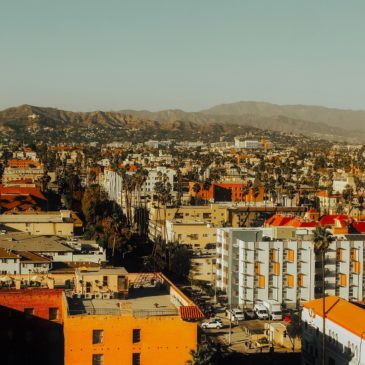
Today Homeboy Recycling operates an electronic recycling enterprise that is part of the state’s Advanced Disposal Fee system for e scrap (SEE, archive.ilsr.org/working-partner-update-tracking-history-and-developments-in-u-s-e-scrap.). Upon purchase of electronic products in the state, the consumer pays an addition fee to a state run fund that reimburses companies for handling any covered items under the California Electronic Waste Recycling … Read More
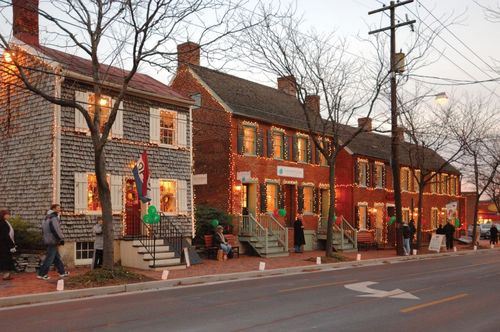




Twelve and a half years ago, Frederick County proposed to build a 1,500 ton-per-day garbage incinerator to manage its waste. The County was forced to kill the proposal 2.5 years ago when organized citizens pointed out the financial risks. The City of Frederick, with 70,000 of the County’s 250,000 population, its own collection crews, landfill and … Read More


