Inequality – The Public Good Index




1947-1979 change in real income of poorest 20 percent of population: 122 percent.
Of richest 20 percent: 99 percent.
Change of richest 1 percent: 39 percent.
Change of richest .01 percent: 29 percent.… Read More

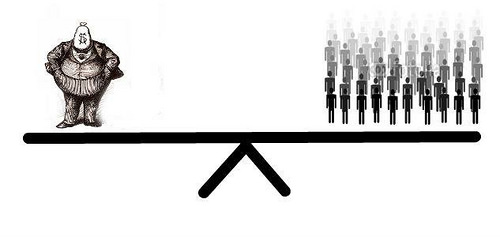
1947-1979 change in real income of poorest 20 percent of population: 122 percent.
Of richest 20 percent: 99 percent.
Change of richest 1 percent: 39 percent.
Change of richest .01 percent: 29 percent.… Read More

Stacy’s Mitchell’s cover feature for The Nation looks at how Amazon is a radically new kind of monopoly with ambitions that dwarf those of earlier empires, and what we should do about it. … Read More
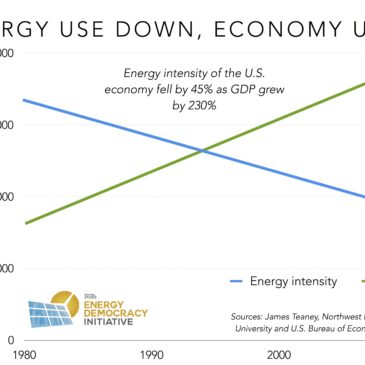
After seeing a presentation on “deep decarbonization” outlining necessary changes to the U.S. economy in order to reach our greenhouse gas emission reduction goals, John Farrell discusses some of the nuances of the fascinating elements where we should focus our attention during this clean energy transition.… Read More
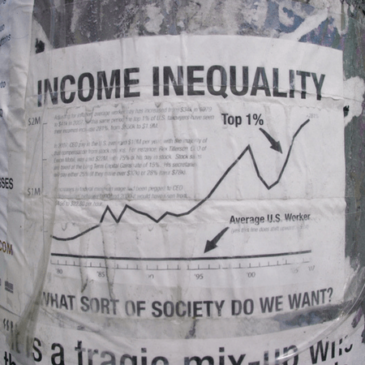
A selection of recent news stories with an ILSR insight into “The Public Good.” Stories in this Newsfeed: High Stakes Testing Debunked | Do Unions Aid Student Achievement? | Inequality and Upward Mobility | Do Prisons Reduce Crime? | Uber Unmasked High Stakes Testing: Destructive and Ineffective Student scores on standardized tests have become a key factor, possibly the key factor … Read More
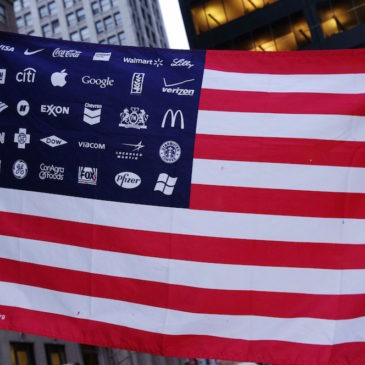
For the first time in 28 years, the Democratic Party platform calls for vigorous, stepped-up enforcement of our anti-monopoly laws. This remarkable shift in policy was made possible in part by the Bernie Sanders movement, but it’s also the product of years of advocacy by scholars and activists who believe that high levels of concentration in banking, retail, agribusiness and other sectors are ravaging our economy and democracy.… Read More


